Software · Web · Interface · Cloud
Software
built to
last.
NO.B STUDIO LTD is an engineering and design studio. We plan, build and maintain digital products for organisations that need dependable software, not just a launch.

01 / Introduction
An engineering studio with a designer's eye.
We work across the full life of a product: shaping requirements, designing interfaces, writing the code, deploying it to the cloud and keeping it healthy afterwards.
One team carries context from the first conversation to the hundredth release, so decisions made early are still understood later.
02 / Capabilities
Core technology capabilities.
01
TypeScript & modern JavaScript
Typed codebases across browser, server and edge runtimes.
02
API design
REST and event-driven interfaces with clear contracts and versioning.
03
Data modelling
Relational schemas, migrations and access rules designed for change.
04
Interface engineering
Component systems, accessibility and performance budgets.
05
Infrastructure as code
Reproducible environments described in reviewed, versioned files.
06
Automation
Continuous integration, automated tests and repeatable releases.
03 / Software development
Custom software around how you actually work.
Internal tools, customer platforms and business systems designed around your processes instead of forcing your processes into an off-the-shelf product.
- →Domain modelling and architecture
- →Iterative delivery in short cycles
- →Automated testing from day one
- →Documentation written alongside the code

04 / Web engineering
Fast, accessible web applications.
Rendering strategy
Server rendering, static generation or client rendering — chosen per page, based on what the content needs.
Accessibility
Semantic markup, keyboard support and readable contrast treated as requirements, not extras.
Performance
Measured load and interaction budgets that are checked before every release.
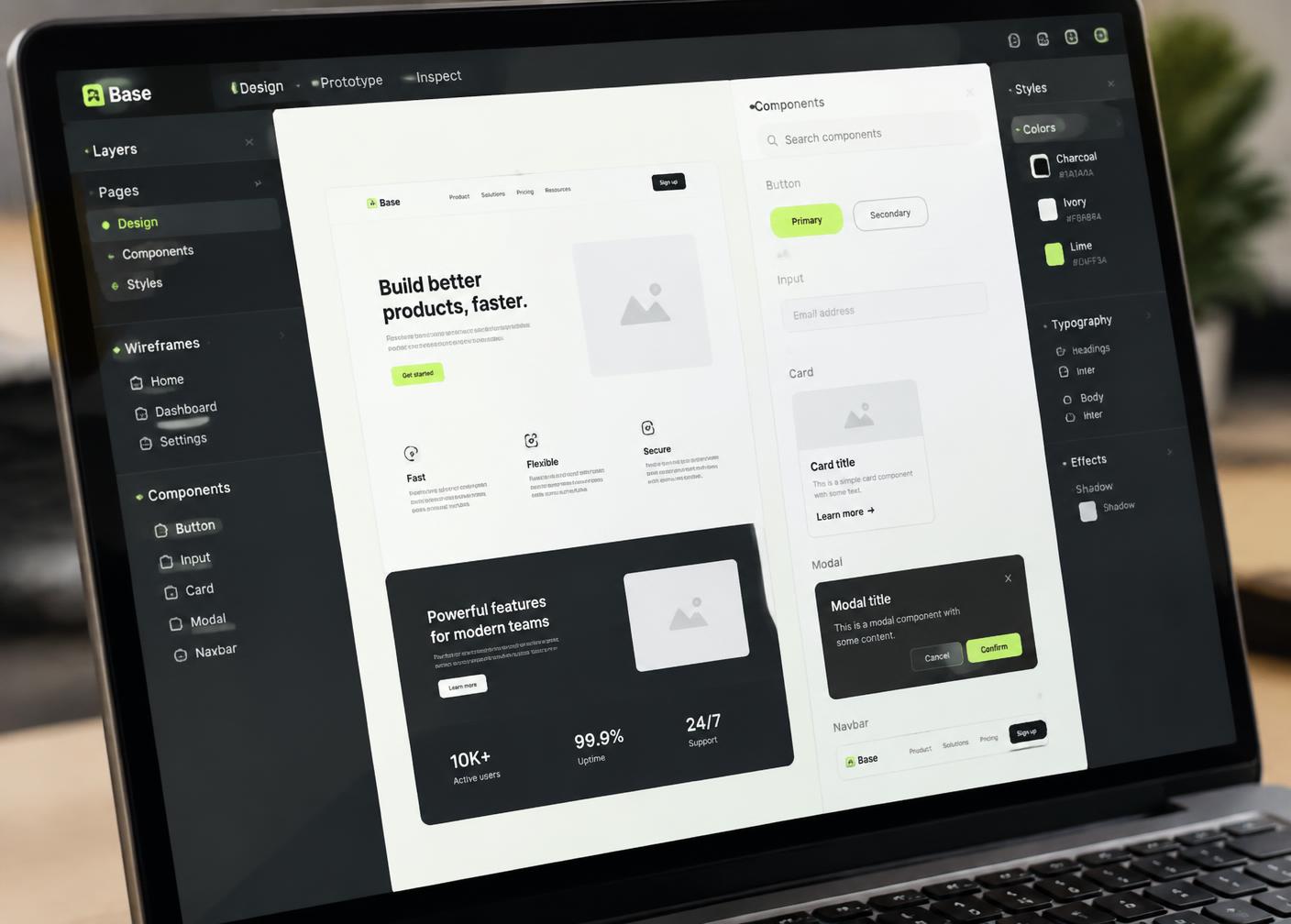
05 / UI/UX & product design
Interfaces people understand on first use.
Research, flows, wireframes and high-fidelity design, delivered as a component system that engineers build directly — so what ships matches what was designed.
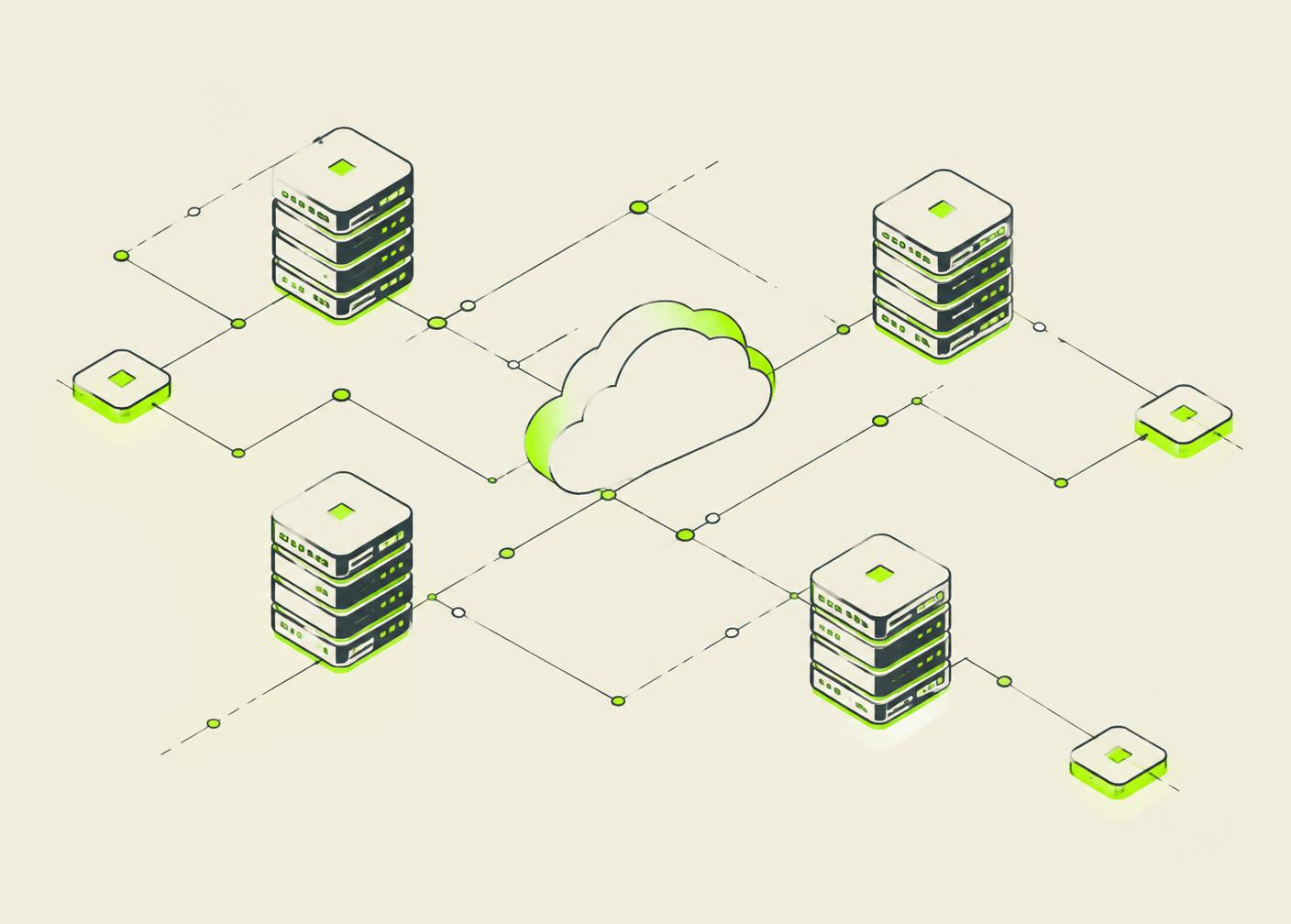
06 / Cloud & integration
Infrastructure and systems that connect cleanly.
Cloud infrastructure
Environments defined as code, with monitoring, backups and scaling planned up front.
Systems integration
Connecting CRMs, payment providers, ERPs and internal databases through stable, observable interfaces.
07 / Challenges
Business problems we are built for.
Operations
Manual work spread across spreadsheets and email that needs a single, reliable system.
Commerce & services
Customer-facing platforms that must handle payments, accounts and growth.
Data-heavy teams
Information locked in separate tools that needs to be combined and acted on.
Legacy systems
Software that still matters but has become hard to change safely.
New ventures
Ideas that need a focused first version to test with real users.
08 / Delivery
A delivery process you can follow.
1
Discover
Goals, users, constraints and risks, written down.
2
Define
Scope, architecture and a delivery plan.
3
Design
Flows and interfaces validated before build.
4
Build
Short cycles with working software reviewed each time.
5
Run
Launch, monitoring and continuous improvement.
09 / Principles
Quality, security
and maintainability.
Quality
Code review on every change, automated tests on critical paths, and releases that can be rolled back.
Security
Least-privilege access, secrets kept out of code, dependencies kept current and reviewed.
Maintainability
Plain structure, consistent conventions and documentation that lets another engineer continue the work.

10 / Collaboration
Clear communication, in writing.
- Shared visibility
- You see the same task board, progress and open questions we do.
- Regular reviews
- Working software is demonstrated on a fixed schedule.
- Decision log
- Every significant choice is recorded with its reasoning.
11 / FAQ
Frequently asked questions.
What kind of projects do you take on?
New products built from scratch, extensions of existing systems, integrations between tools that do not talk to each other, and long-term maintenance of software already in production.
Can you work with our existing codebase?
Yes. We begin with a review of the code, infrastructure and release process, then propose changes in small, reversible steps rather than a rewrite.
How do engagements start?
With a short discovery phase: we agree on goals, constraints and what success looks like, and produce a written scope before any build work begins.
Who owns the code?
Ownership terms are set in the agreement for each engagement. Our default is to work in repositories and accounts you control.
Do you provide support after launch?
Yes. Ongoing support covers monitoring, updates, security patches, bug fixes and planned improvements.
How do we communicate during a project?
Through a shared written channel, scheduled reviews of working software, and a single document that tracks decisions and open questions.